THE SCALE
A best, G worst
The scale runs from A, the most efficient, to G, the least, with green for more efficient and red for less. The old A+, A++ and A+++ classes were scrapped in 2021.
Check a rating
READING THE LABEL
A TO G green best, red least
AI-generated image, not a photograph of a real person or place.
The energy label got simpler in 2021.
The crowded A+++ to D scale was replaced by a stricter A to G one for fridges, freezers, washing machines, dishwashers and screens. Here is what each part of the label tells you, and what it does not.
THE SHORT ANSWER
The letter ranks the model against its type.
The numbers underneath tell you what it actually uses.
THE SCALE
The scale runs from A, the most efficient, to G, the least, with green for more efficient and red for less. The old A+, A++ and A+++ classes were scrapped in 2021.
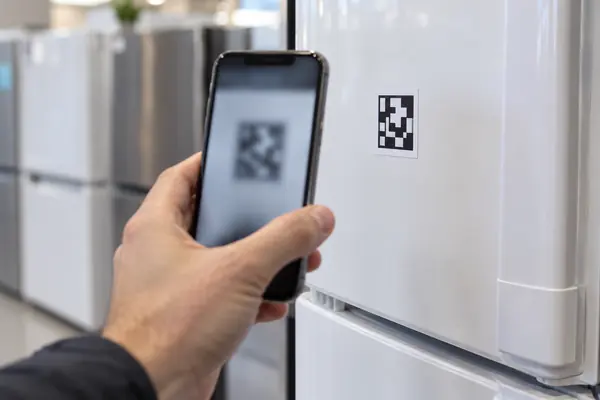
Check a ratingTHE QR CODE
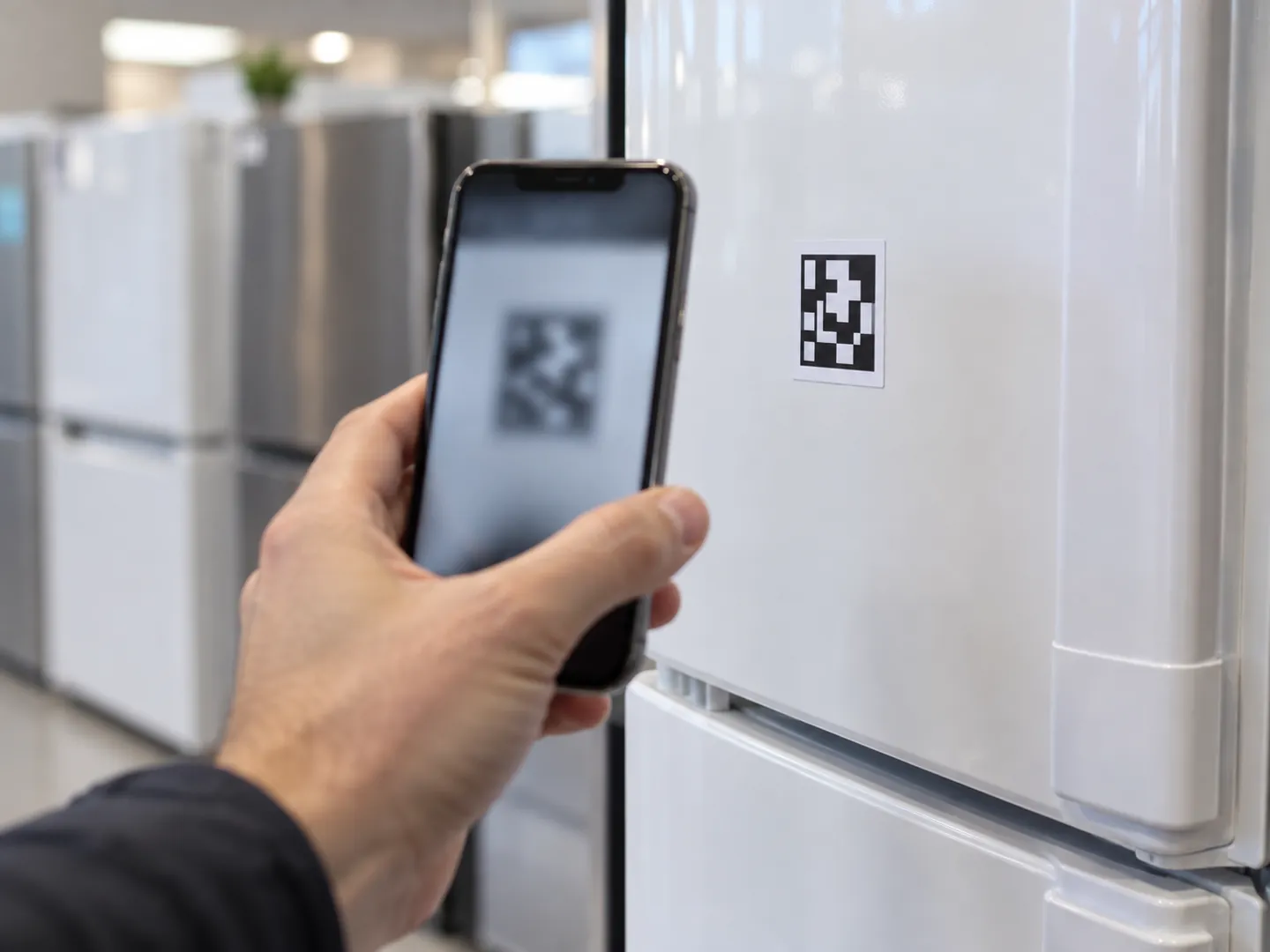
New labels carry a QR code linking to the official product database. The European Commission says the link should always begin ec.europa.eu.
Reading in the shopTHE NUMBERS
Below the letter, a washing machine label shows energy per 100 cycles, water per cycle, capacity, cycle length and spin noise.
What each figure means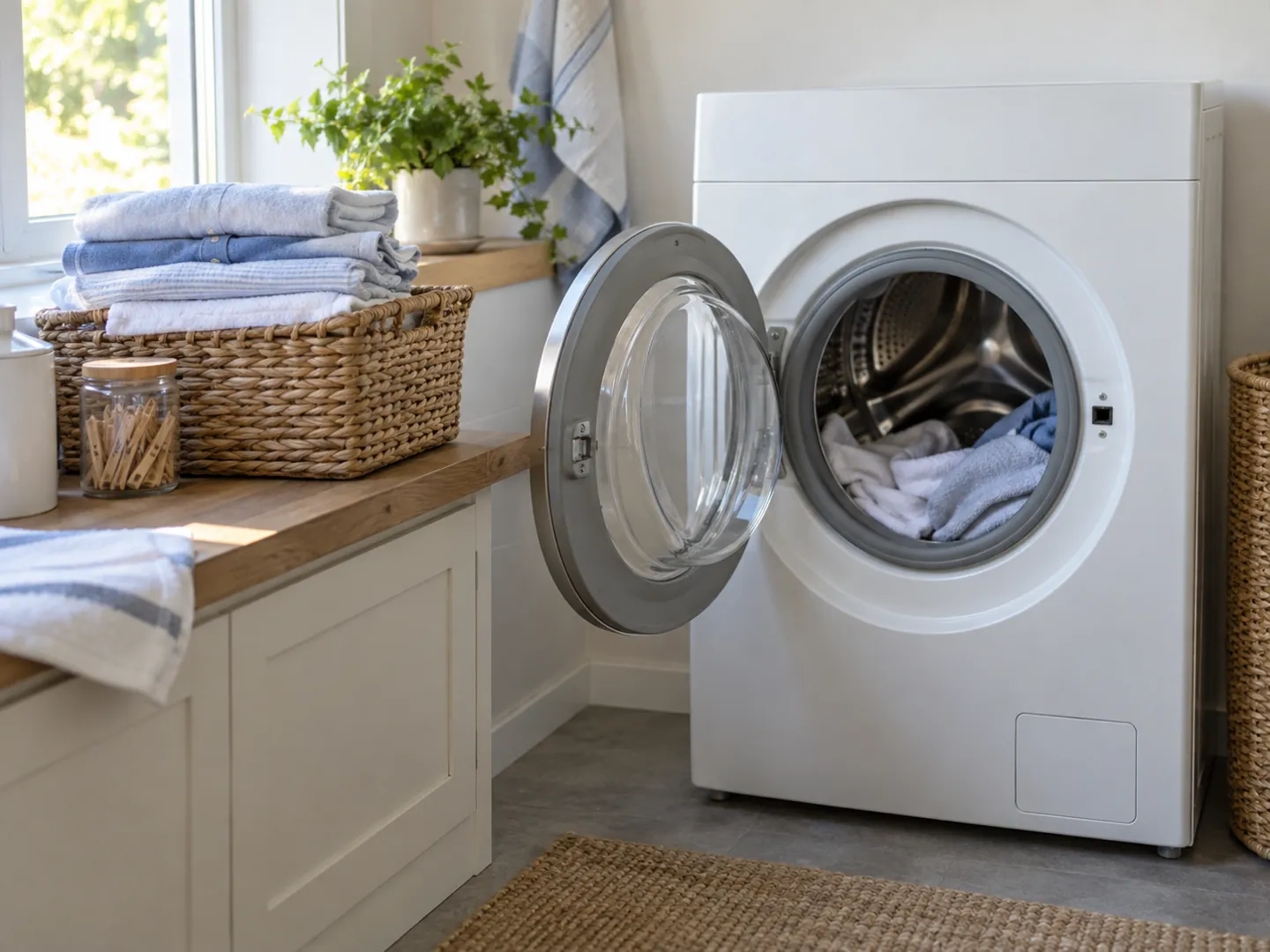
FOUR THINGS TO CHECK
The dealer must show the label on the front or top of the appliance, and next to the price online. Here is how to use it.
Each product type has its own label, with its own figures. Compare a fridge with other fridges, and check the size too.
Fridges show annual energy use in kWh. Washing machines show kWh per 100 cycles on the eco 40-60 programme.
Labels can also show water use, capacity, cycle length and noise, with its own class.
Check the link begins ec.europa.eu before you open it. The product database never asks for payment, and the Commission warns about fake stickers.
TWO NUMBERS WORTH KNOWING
One figure on how well the label is known,
one on how far fridges have come since it began.
93%
Consumers who recognise the label
European Commission surveys found the energy label is recognised by 93% of consumers, and 75% use it to get informed when buying labelled products.
RECOGNITION · EUROBAROMETER
60%
Efficiency gain on the 1992 baseline
Fridges and freezers were the first products with a mandatory label, in 1995. Their efficiency index, set at 100 from 1992 averages, has been below 40 since 2016: a 60% improvement.
FRIDGES · SINCE 1992
Figures from the European Commission's Energy Efficient Products pages. In 2017 it was decided to return to a simpler scale with A as the best, and rescaled labels arrived from March 2021.
A QUICK RATING CHECK
Pick a rating you have seen on a label to see what it means. The bar shows where it sits on the efficiency scale.
Based on Trading Standards guidance for Great Britain and the European Commission's guide to the energy label. Labels differ in layout from product to product.
THE WASHING MACHINE LABEL
On a washing machine label, the energy figure is weighted energy use per 100 cycles of the eco 40-60 programme, which must clean normally soiled cotton labelled washable at 40°C or 60°C. Water use is per cycle of the same programme.
Rated capacity is the maximum dry laundry in kilograms for one cycle. The label also shows a spin-drying efficiency class, the programme length at full load and the noise level during the spin.
In conversation
In 2021 the old A+++ to D scale was replaced by a simpler A to G scale with stricter classes. Trading Standards guidance says today's A roughly corresponds to the old A+++, though the Commission says there is no precise mapping.
The rescaled labels arrived in March 2021 for dishwashers, washing machines and washer-dryers, fridges, freezers and wine fridges, and electronic displays including TVs. Other products such as ovens and tumble dryers also carry energy labels.
No. In Great Britain the labelling rules do not apply to second-hand products, unless they are imported from outside Great Britain.
The European Commission says yes, if the address shown begins ec.europa.eu, the label is the original one in a shop, and nobody asks you for payment or personal details.
Northern Ireland uses the EU energy label with the EU flag. England, Scotland and Wales use a UK energy label with the same A to G scale.
Each figure on this page comes from the sources below.
ABOUT THIS NAME
doodlerate.com is part of the DoodleSale portfolio. It isn't in an auction right now, but you can ask about leasing it.